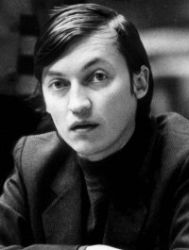
Anatoly Karpov
Anatoly Karpov learned chess at age 4 and became a grandmaster at 19. He was awarded the World Championship in 1975 when Bobby Fischer refused to defend his title, then proved his legitimacy by defending it five times — three brutal matches against Kasparov alone. His style was unlike any before him: he did not attack so much as squeeze, gradually restricting the opponent's pieces until they had no good moves left. Garry Kasparov, who fought him across five matches spanning a decade, called him 'the most difficult opponent I ever faced.'
Notable: Won the 1994 Linares tournament with a record +11 score. Held the world #1 ranking for most of 1975–1990.
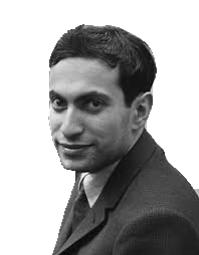
Mikhail Tal
Mikhail Tal became the youngest World Champion in history at 23, defeating the formidable Botvinnik with a series of dazzling sacrificial attacks that seemed to defy logic. He suffered severe kidney problems throughout his life and had organs removed in multiple surgeries, yet remained one of the world's top ten players for over thirty years. Tal himself admitted that some of his sacrifices were objectively unsound — he counted on the psychological pressure being too much for opponents to handle. He once said: 'There are two types of sacrifices: correct ones, and mine.'
Notable: Won the Candidates Tournament 1959 with 18.5/28, ahead of Fischer. Played over 3,000 tournament games in his lifetime.
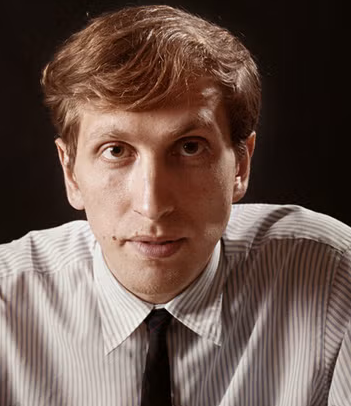
Bobby Fischer
Bobby Fischer learned chess from a booklet at age 6 and became US Champion at 14, the youngest in history. His 1972 World Championship match against Boris Spassky in Reykjavik was watched by millions worldwide and became the defining chess event of the Cold War era. Between 1970 and 1972 his rating performance was statistically the most dominant in chess history — he won two Candidates matches by perfect 6-0 scores. He forfeited his title in 1975 rather than play under conditions he found unacceptable and disappeared from competitive chess, resurfacing only for a 1992 rematch against Spassky.
Notable: His peak rating of 2785 (1972) was not surpassed for 21 years. His '60 Memorable Games' is considered the greatest chess book ever written.
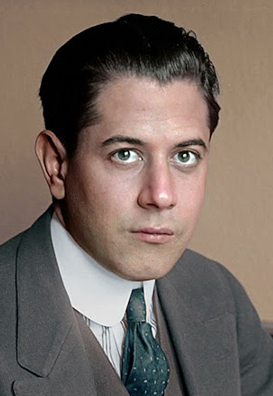
José Raúl Capablanca
José Raúl Capablanca reportedly learned chess at age 4 by watching his father, and immediately corrected an illegal move — his natural talent was evident from the start. He went undefeated for eight consecutive years from 1916 to 1924, a streak that included his World Championship victory over Lasker. His play had an almost supernatural clarity: he saw the simplest path through any position and rarely needed to calculate deeply. He died in 1942 at the Manhattan Chess Club — watching a chess game — from a cerebral hemorrhage.
Notable: Lost only 36 games in his entire competitive career. His endgame technique is still used as the gold standard in chess instruction.
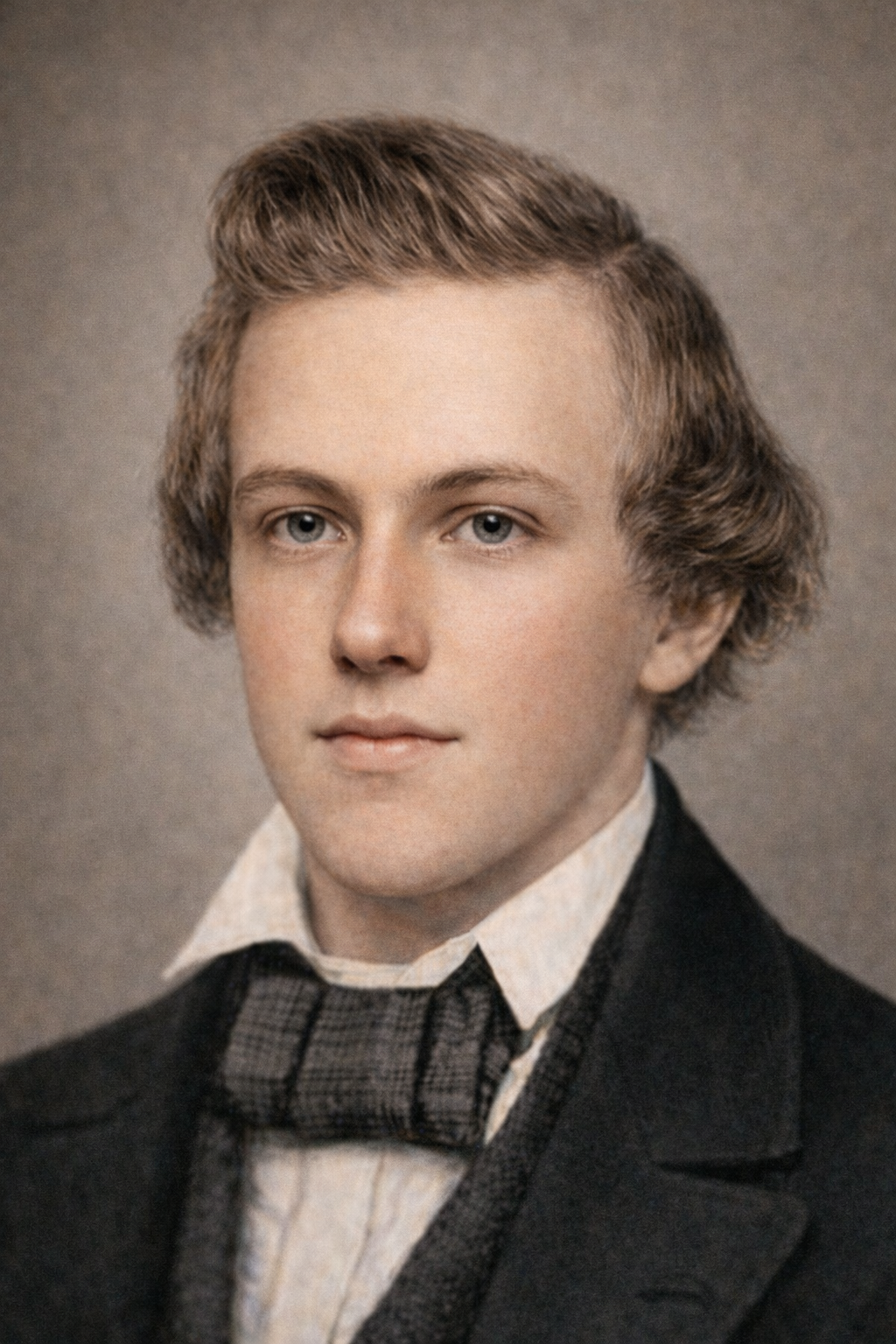
Paul Morphy
Paul Morphy came from a prominent New Orleans legal family and learned chess almost by accident — watching relatives play as a child. In 1857 he won the first American Chess Congress at 19, then toured Europe the following year and defeated every major player he faced, often giving rook odds to lesser opponents. His games were revolutionary: while others played for immediate attack, Morphy understood rapid development and open lines in a way that was decades ahead of his time. He returned home at 22, retired from chess completely, and spent the rest of his life in increasing isolation and mental decline, dying in 1884 having never played seriously again.
Notable: His 'Opera Game' (Paris 1858) is the most famous miniature in chess history. Estimated to have been ~300 Elo points above his contemporaries.
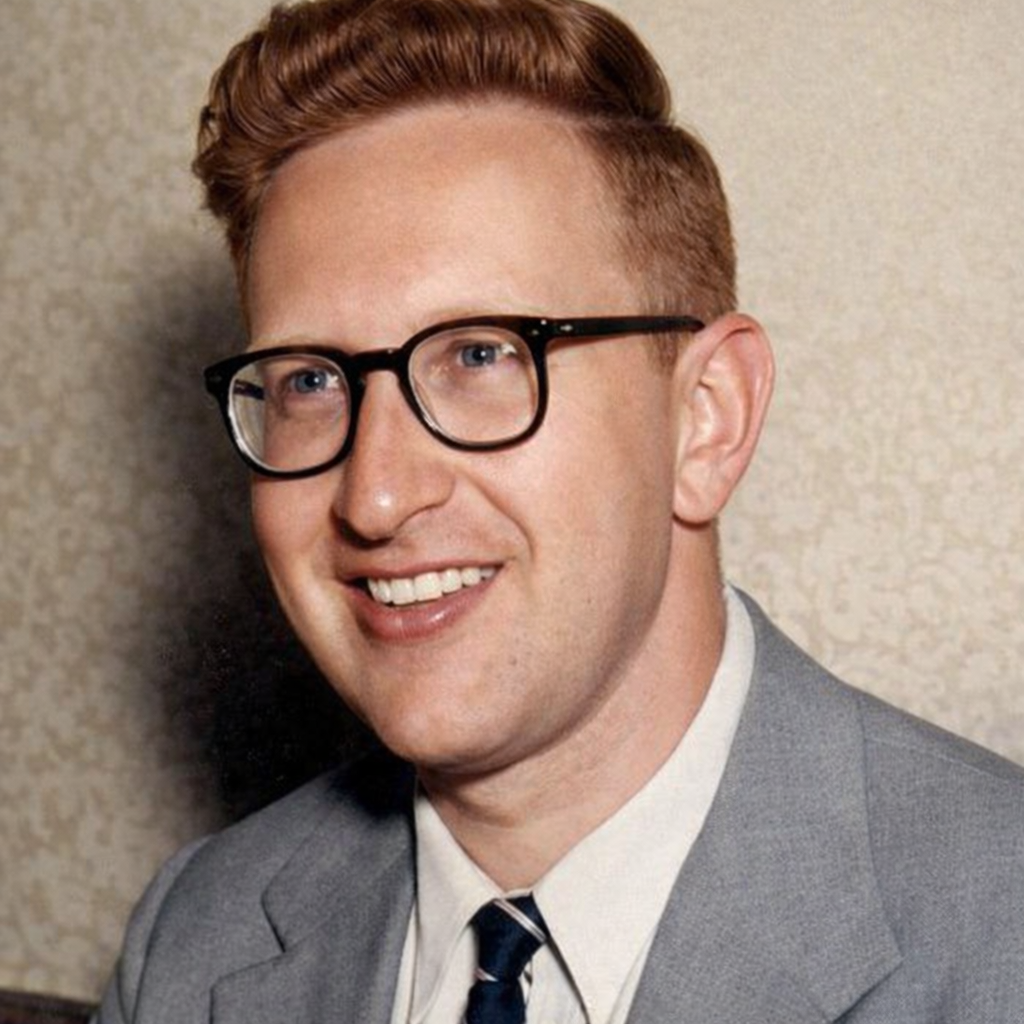
Vasily Smyslov
Vasily Smyslov challenged for the World Championship three times before finally defeating Botvinnik in 1957, only to lose the rematch a year later. His chess had a legendary quality of effortlessness — pieces found their ideal squares without apparent effort, earning him the nickname 'The Hand.' Outside chess he was a gifted baritone who nearly pursued a career at the Bolshoi Theatre. Remarkably, at age 62, he reached the Candidates Final once more in 1983, where he lost to the young Kasparov.
Notable: Played at the top level across six decades. His endgame technique, especially in rook endings, is considered among the finest in history.
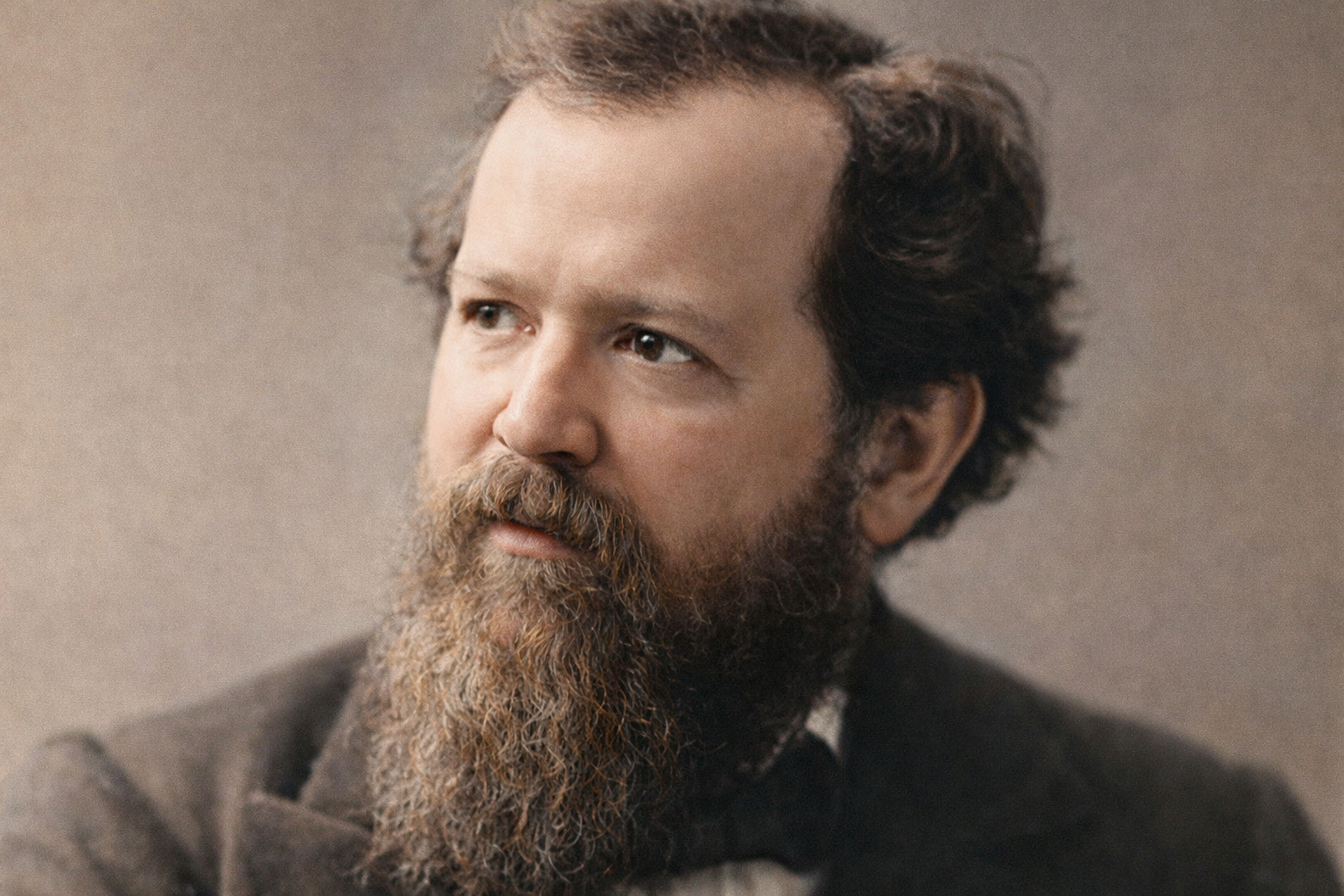
Wilhelm Steinitz
Wilhelm Steinitz is the father of modern chess theory. Before him, chess was essentially a game of immediate attack; Steinitz proved that defense was equally valid and that small positional advantages — a better pawn structure, a strong outpost, the bishop pair — could be accumulated and eventually converted into a win. He won the first official World Championship match against Zukertort in 1886 and held the title until 1894, when Lasker defeated him. His revolutionary ideas were mocked by contemporaries but became the foundation of everything that followed.
Notable: His theoretical writings directly influenced Tarrasch, Nimzowitsch, and through them, all of modern chess. Died penniless in a New York asylum in 1900.
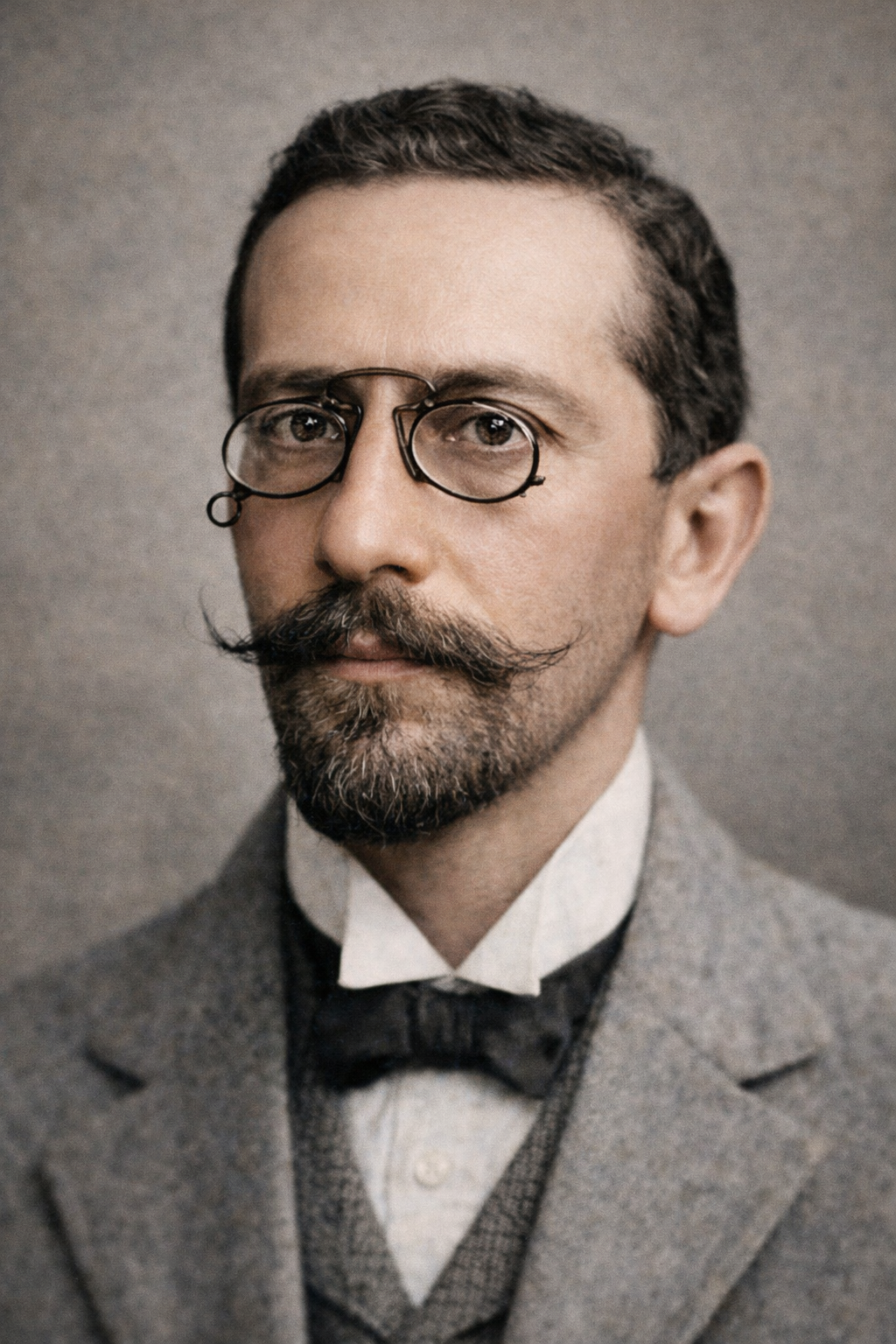
Siegbert Tarrasch
Siegbert Tarrasch was Germany's strongest player for three decades and one of the most influential chess teachers of all time. His books 'The Game of Chess' and 'Three Hundred Chess Games' were standard learning texts for generations of players. He codified Steinitz's ideas into rigid rules — a philosophy that made him a brilliant teacher but also left him vulnerable to players who broke the rules intelligently. His bitter rivalry with Emanuel Lasker, whom he publicly dismissed, ended when Lasker crushed him 8-3 in their 1908 match.
Notable: His famous quote: 'Chess, like love, like music, has the power to make men happy.' Won major tournaments in 1892, 1893, 1894, and 1895.
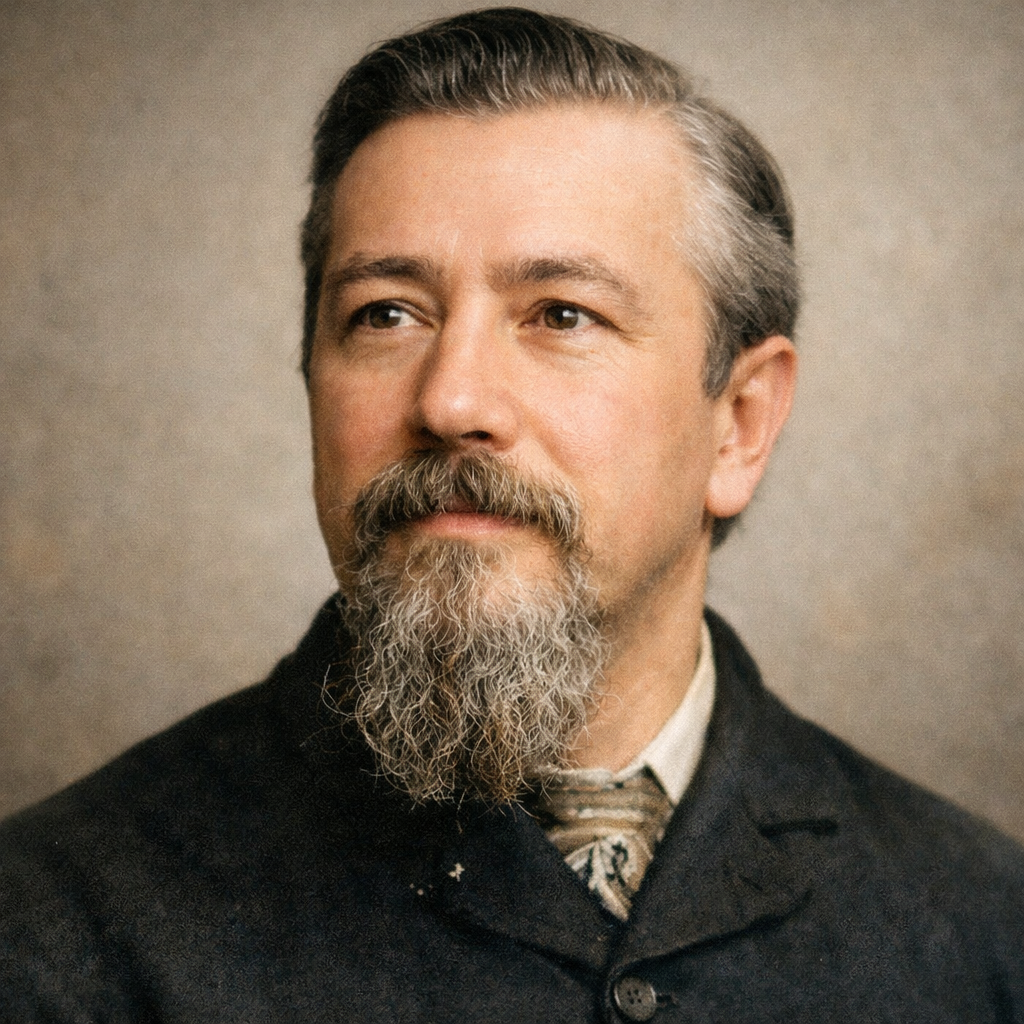
Joseph Blackburne
Joseph Henry Blackburne was England's strongest player for over three decades and one of the most feared attacking players of the Victorian era. He was renowned as a blindfold simultaneous player, regularly playing 10 or more boards at once without sight of the pieces. His nickname 'The Black Death' reflected the devastation he brought to opponents, particularly with the Black pieces. He continued playing at the highest level well into his 60s, a testament to his exceptional chess longevity.
Notable: Won the British Chess Championship multiple times. Famously drank his opponents' whisky at simultaneous exhibitions, saying it improved his play.
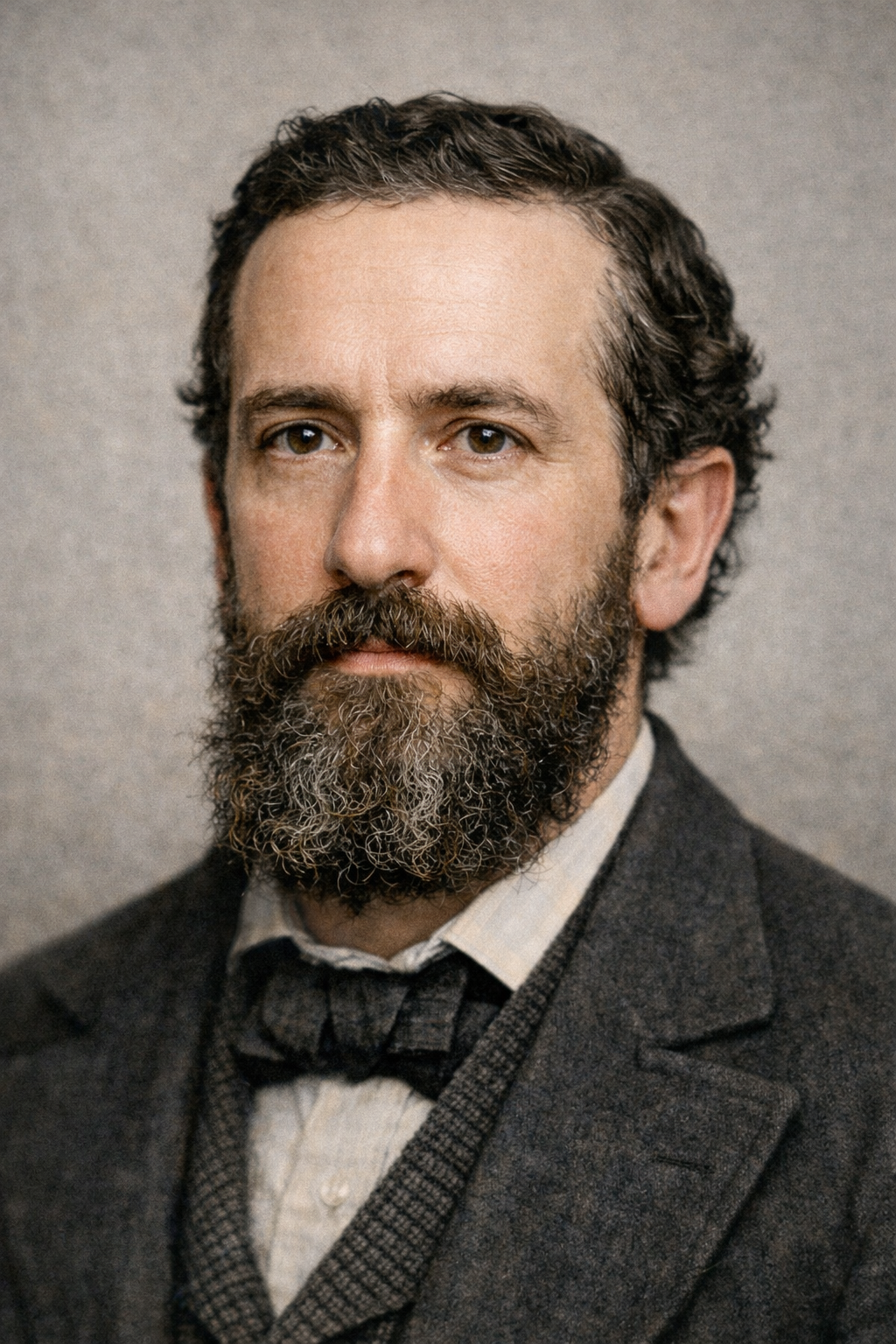
Johannes Zukertort
Johannes Zukertort was one of the most gifted players of the 19th century — a polymath who held a medical degree, spoke multiple languages, and could play blindfold chess at a high level. He brilliantly won the 1883 London tournament ahead of Steinitz, setting up their historic 1886 match for the first official World Championship. Despite leading the match convincingly at the start, he collapsed physically and mentally under the pressure and lost. He died just two years later in 1888, exhausted from illness, at age 45.
Notable: The Zukertort Opening (1.Nf3) and the Zukertort System are named after him. His 1883 London tournament performance included some of the most brilliant combinations of the era.
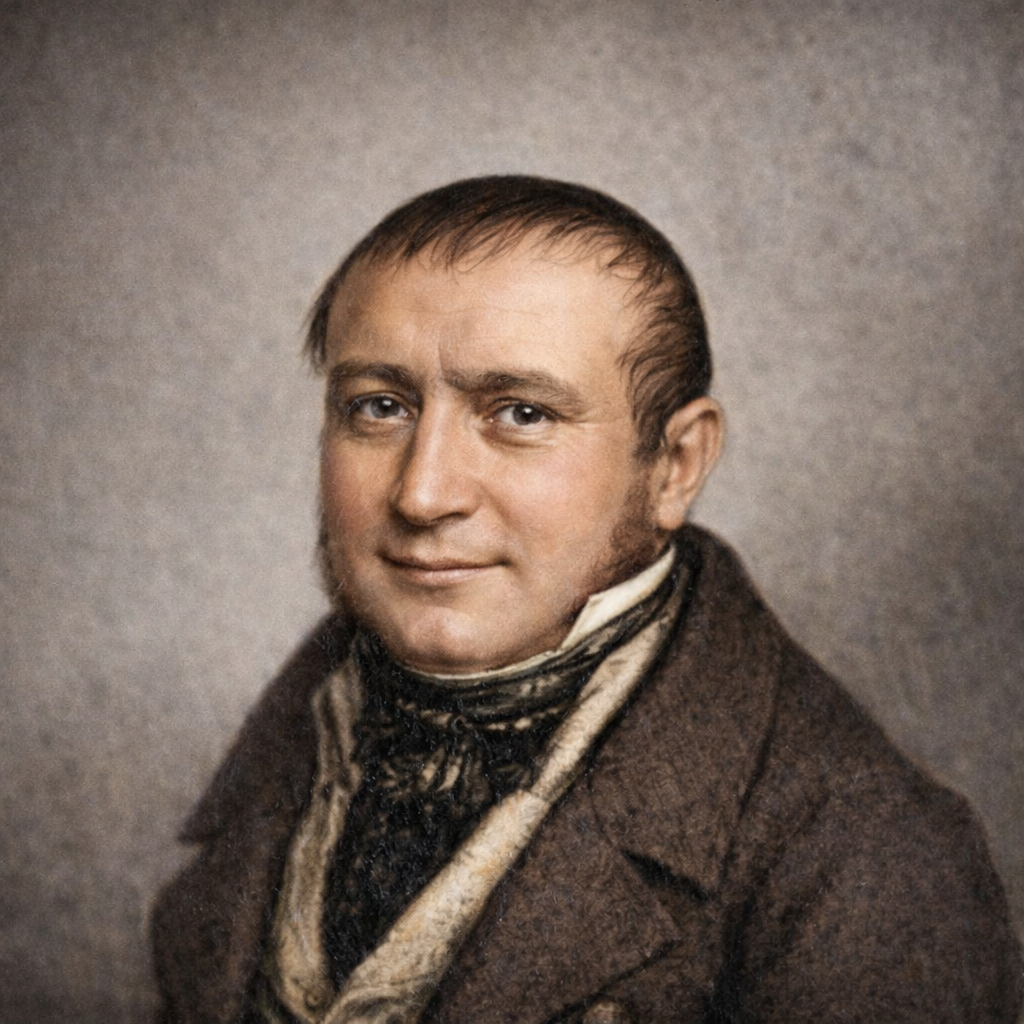
Louis-Charles de La Bourdonnais
Louis-Charles Mahé de La Bourdonnais was the strongest player in the world from the mid-1820s until his death and is considered the first player deserving of that title in the modern sense. His legendary 1834 series against Alexander McDonnell in London — 85 games across six matches — is one of the most celebrated events in chess history and produced games of extraordinary richness that are still studied today. He ran a famous chess café in Paris, the Café de la Régence, which was the social center of European chess. He died in London in 1840, impoverished, at age 45.
Notable: The La Bourdonnais Gambit in the French Defense is named after him. His 1834 match games are among the earliest systematically preserved in chess history.
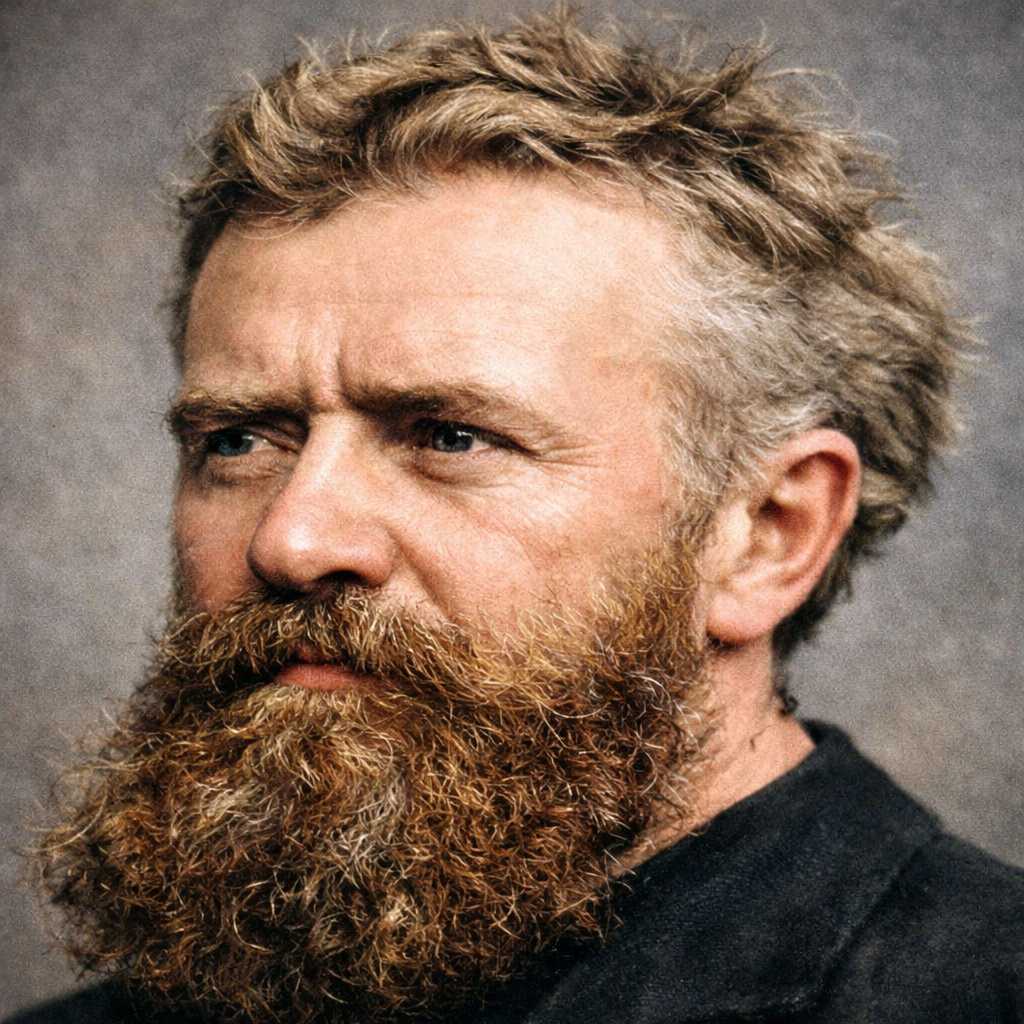
Alexander McDonnell
Alexander McDonnell was the strongest chess player in England and Ireland in the early 1830s, trading wins with the best players of his era. His fame rests almost entirely on the extraordinary 1834 match series against La Bourdonnais in London — six matches totalling 85 games, played over many months in the Westminster Chess Club. Despite losing the overall series, many of his games showed tremendous creativity and fighting spirit. He died just one year after the match in 1835, likely from diabetes, at only 37 years old.
Notable: Game 16 of the 1834 match, where McDonnell played the King's Gambit Accepted with stunning complications, is considered one of the masterpieces of Romantic chess.

Daniel Naroditsky
Daniel Naroditsky achieved the grandmaster title at 17 and became one of the most beloved chess educators of his generation through his 'speedrun' series on Chess.com, where he climbed from 500 to 3000 rating from scratch while explaining every decision — making grandmaster thinking accessible to players at every level. His ability to communicate complex ideas simply inspired a generation of chess learners worldwide. He was also a formidable competitive player, representing the US in team competitions. He passed away in 2025 and is remembered as one of chess's great teachers.
Notable: His Chess.com speedrun series has been watched by millions. Co-authored 'Mastering Complex Endgames' and was a regular commentator at top tournaments.
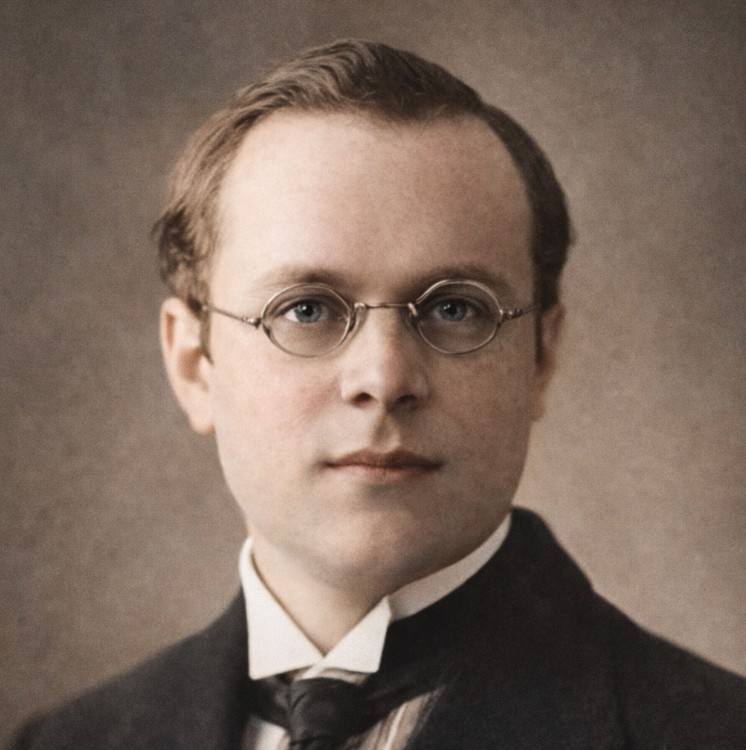
Aron Nimzowitsch
Aron Nimzowitsch was the most influential chess theorist of the 20th century. His book 'My System' (1925) revolutionized chess thinking by formalizing the concept of 'prophylaxis' — preventing the opponent's plans before they materialize — and proving that pawns in the center could be attacked from a distance. His Hypermodern ideas directly gave rise to openings played by millions today: the Nimzo-Indian, the Nimzowitsch Defense, the English Opening. He had an infamously combative personality and a fierce rivalry with Tarrasch, whom he considered the embodiment of rigid dogma.
Notable: His 'My System' and 'Chess Praxis' remain essential reading. Famous for allegedly standing on his chair shouting 'Why must I lose to this idiot?' after a tournament loss.
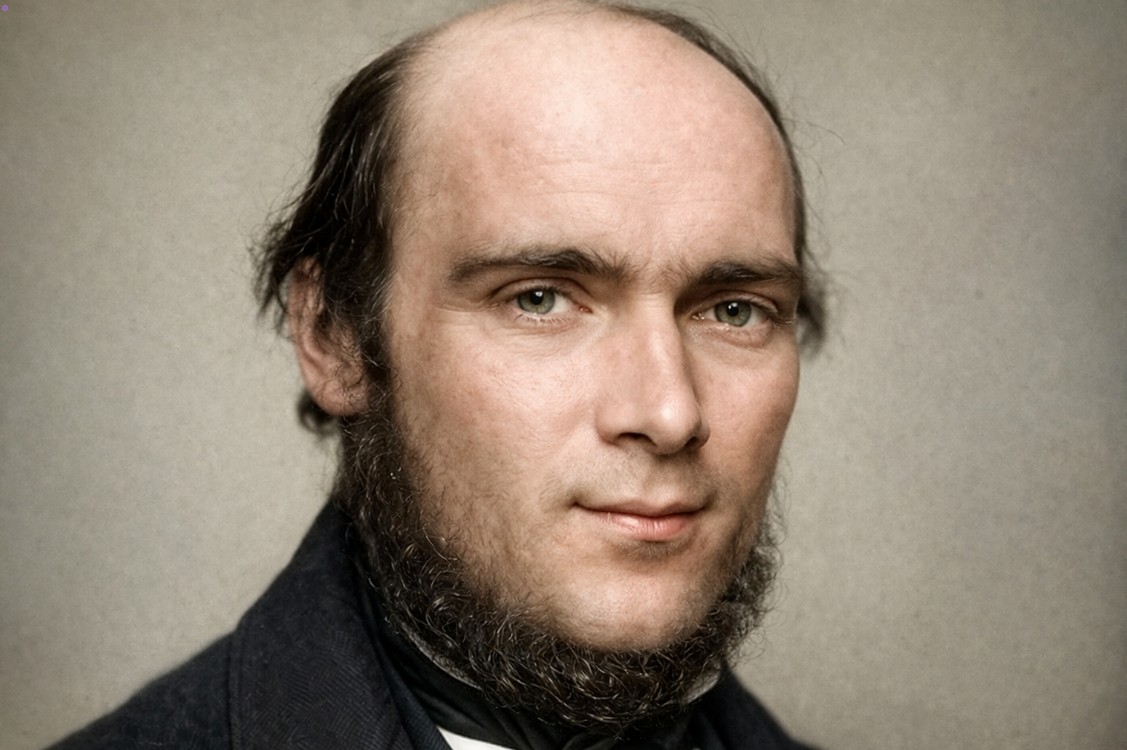
Adolf Anderssen
Adolf Anderssen was a mathematics teacher who became the undisputed king of chess in the 1850s. He won the first international chess tournament in London in 1851 and is best remembered for two games: the 'Immortal Game' (1851), in which he sacrificed both rooks and his queen to deliver checkmate, and the 'Evergreen Game' (1852), another brilliant queen sacrifice. He was defeated by the young Morphy in 1858 but remained among the world's best players for another decade. His games represent the pinnacle of Romantic chess — daring, brilliant, and beautiful.
Notable: The Immortal Game and the Evergreen Game are two of the most analyzed and celebrated games in chess history, still used in teaching combinations today.
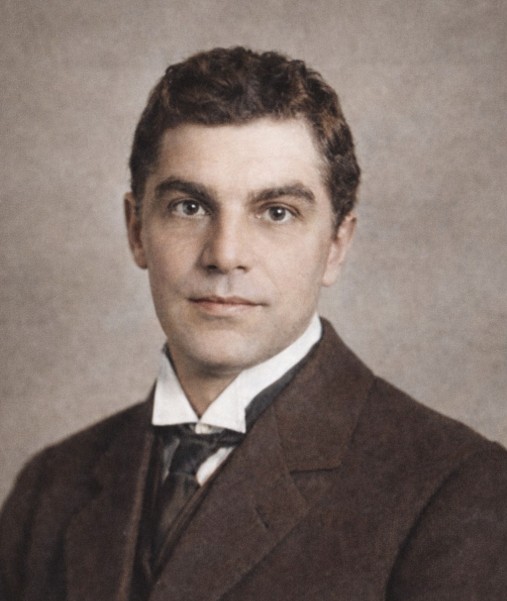
Richard Réti
Richard Réti was a co-founder of the Hypermodern school alongside Nimzowitsch, most famous for the Réti Opening (1.Nf3) and his astonishing endgame study demonstrating how a king can simultaneously chase two passed pawns — a paradox that took the chess world by storm. He set a world blindfold simultaneous record in 1925, playing 29 boards. His book 'Masters of the Chessboard' (1930) is a classic of chess literature, blending biography, history, and instruction. He died suddenly in 1929 at age 40 from scarlet fever.
Notable: Réti's endgame study (1921) is considered one of the most elegant in chess history. His stunning win against Capablanca in New York 1924 broke the Cuban's eight-year unbeaten streak.
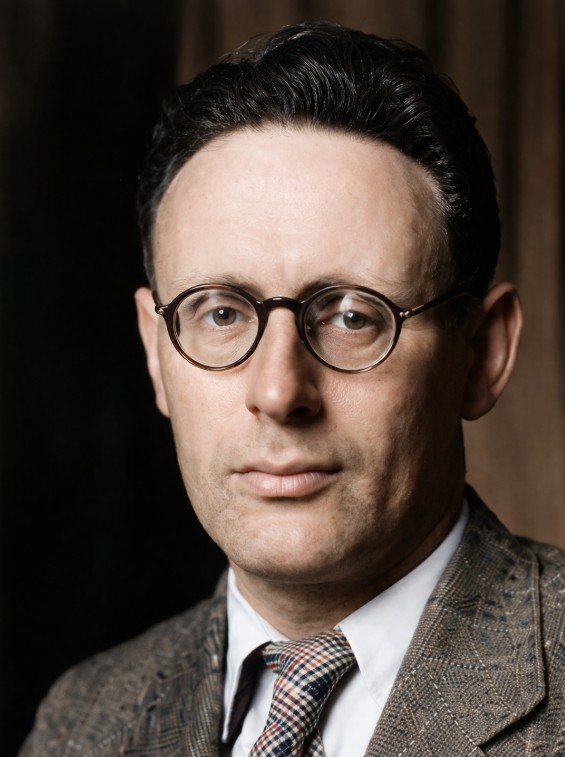
Mikhail Botvinnik
Mikhail Botvinnik dominated Soviet and world chess for four decades, winning the World Championship three times and defending it three more times using a rematch clause that opponents found maddening. An electrical engineer by profession, he brought a scientific rigor to chess preparation that was completely new — systematic analysis, physical fitness, and deep opening research. He is arguably the most influential figure in chess history not for his own play, but for what he created: his students included Karpov, Kasparov, and Kramnik — three of the greatest champions of all time.
Notable: World Champion across parts of 1948–1963. Founded the Botvinnik Chess School whose alumni have dominated world chess for fifty years.
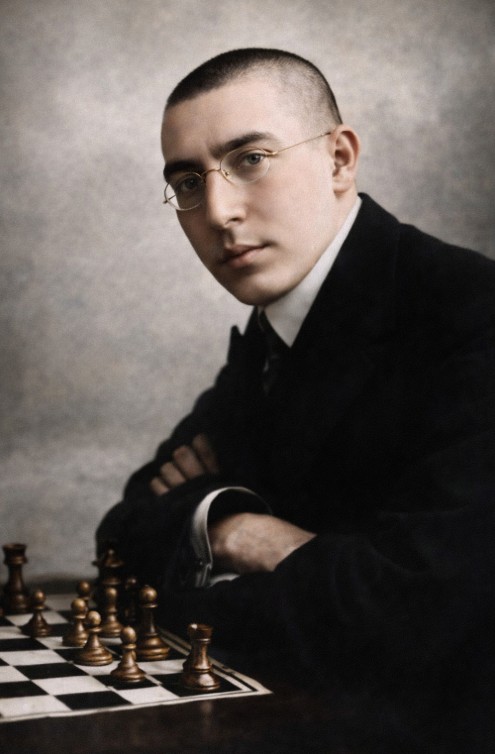
Akiba Rubinstein
Akiba Rubinstein is widely considered the greatest player never to become World Champion. In 1912 he had the best tournament results in the world and was universally expected to challenge Lasker, but the match was never organized. His technique in rook endgames was so precise that his games are still used as model lessons — the 'Rubinstein ending' remains a staple of chess instruction. He suffered from increasing mental illness in the 1920s and 30s, developing severe social anxiety that eventually forced his retirement from competitive chess.
Notable: His win over Lasker at St. Petersburg 1914 ('Rubinstein's Immortal') is considered one of the greatest endgame masterpieces ever played.
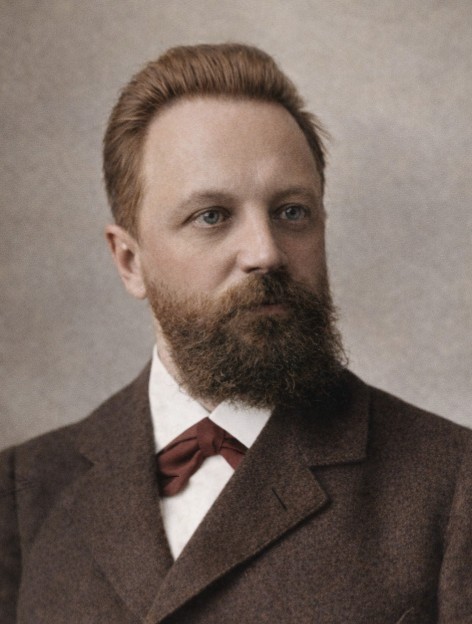
Mikhail Chigorin
Mikhail Chigorin almost single-handedly created chess culture in Russia from nothing — organizing tournaments, founding chess clubs, and editing chess columns when the game was nearly unknown there. He challenged Steinitz for the World Championship twice, coming agonizingly close on both occasions. His chess was fiercely original: he preferred knights over bishops when conventional wisdom said the opposite, and his opening ideas — the Chigorin Defense, the Chigorin Attack in the Queen's Gambit — influenced Russian chess thinking for generations.
Notable: In the 1892 World Championship match, he had a winning position in the final game but moved a knight to a forking square overlooking a two-move checkmate. This tragic oversight cost him the world title.
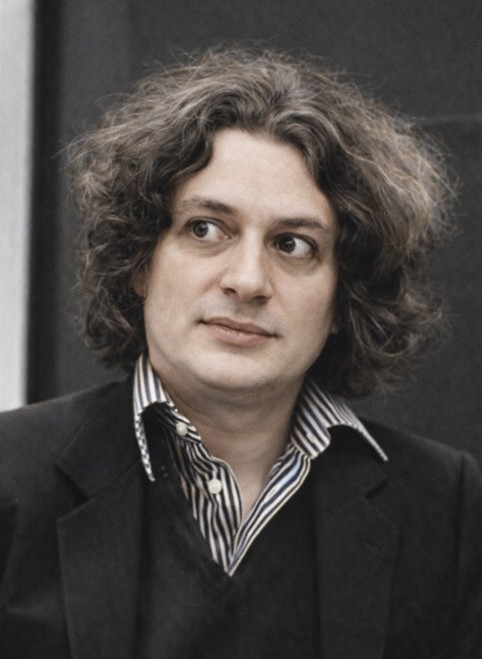
Jan Timman
Jan Timman was the best Western player during the era of Soviet chess dominance, a period when the world's top ten were almost exclusively from the USSR. He reached the Candidates Final in 1983 and was runner-up for the FIDE title in 1993. A prolific chess author, his books on endgames and attacking play are considered classics. His sharp, creative style — always willing to complicate and take risks — made his games some of the most entertaining of his generation.
Notable: Still plays competitive chess at the highest levels in his 70s. His 1982 game against Kasparov is considered one of the most complex ever played.
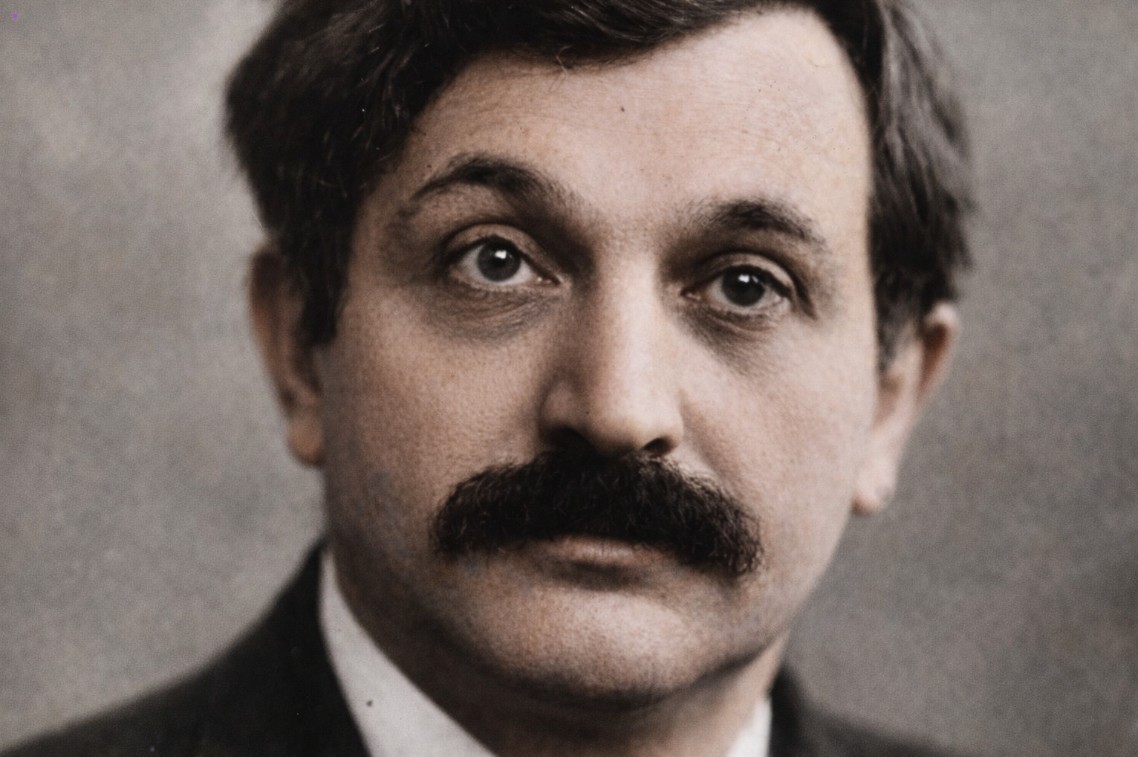
Emanuel Lasker
Emanuel Lasker held the World Championship for 27 consecutive years — the longest reign in history. A philosopher, mathematician, and bridge theorist outside chess, he brought a unique psychological dimension to the game: he would deliberately play inferior moves to unsettle specific opponents, choosing 'bad' positions he understood better than they did. His 1924 New York tournament performance at age 56 — finishing first ahead of Capablanca, Alekhine, and Marshall — is still considered one of the most extraordinary results in chess history.
Notable: His World Championship record of 27 years (1894–1921) remains unbroken. Published 'Lasker's Manual of Chess' (1925), still in print today.
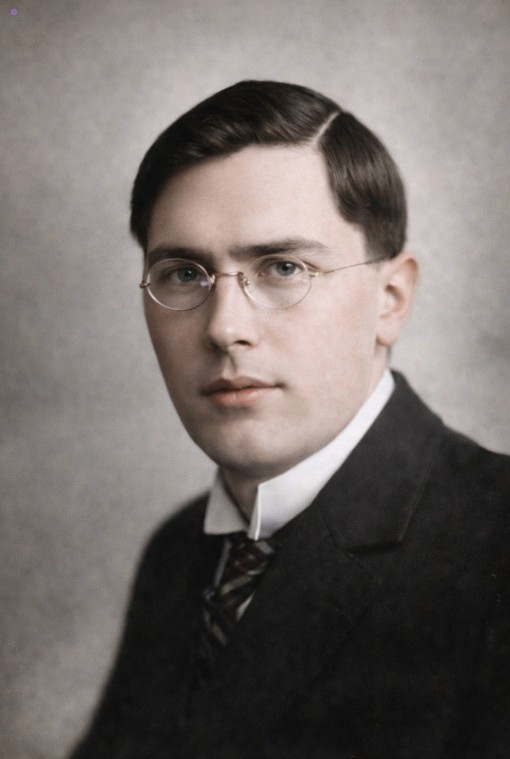
Max Euwe
Max Euwe was a mathematics professor who became World Champion as an amateur — one of the most remarkable upsets in chess history — defeating the great Alekhine in 1935 through meticulous preparation and deep theoretical work. He lost the rematch in 1937 but remained a world-class player for decades. Later he became President of FIDE (1970–1978) and played a crucial diplomatic role in organizing the 1972 Fischer-Spassky World Championship match in Reykjavik.
Notable: The only World Champion who was simultaneously a professional in a different field. His two-volume 'Course of Chess' is considered one of the best instructional works ever written.
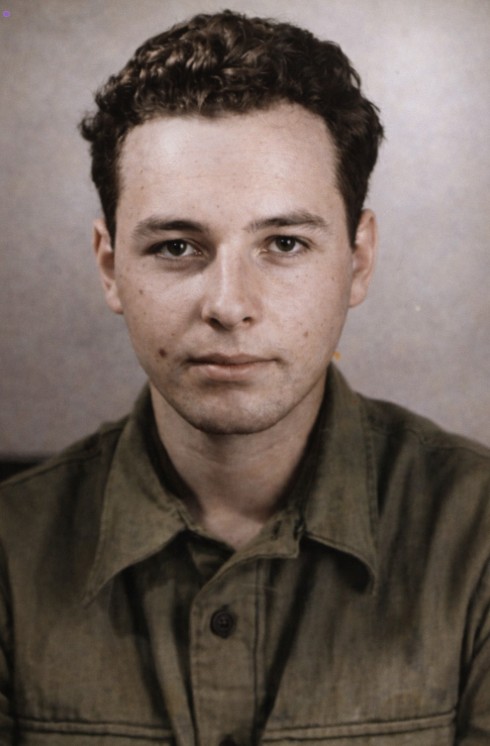
David Bronstein
David Bronstein drew the 1951 World Championship match against Botvinnik 12-12, needing only a draw in the final game — which he held for most of the game before making a tragic mistake in a won position. He never played for the title again. Many considered him the most creative chess player of the 20th century: where others sought the best move, Bronstein sought the most interesting move. His book 'Zurich International Chess Tournament 1953' is universally considered one of the greatest chess books ever written.
Notable: His quote: 'Chess is not about winning — it's about finding beautiful ideas.' The King's Indian Defense was largely developed through his games in the 1940s and 50s.
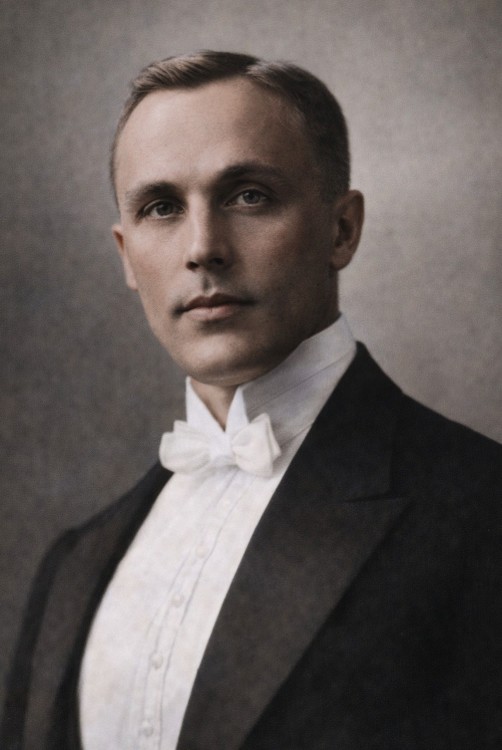
Efim Bogoljubow
Efim Bogoljubow twice challenged Alekhine for the World Championship, losing both times — yet he remained one of the world's strongest players for two decades. Captured by Germany during World War I, he settled there and became a naturalized citizen, which led to political complications and estrangement from the Soviet chess world. His infectious optimism at the board was legendary — he attacked boldly, played for the initiative, and rarely backed down. Famous for his quote: 'When I am White I win because I am White; when I am Black I win because I am Bogoljubow.'
Notable: Won the German Chess Championship multiple times. His opening contributions include the Bogoljubow-Indian Defense (1...d6 against 1.d4).