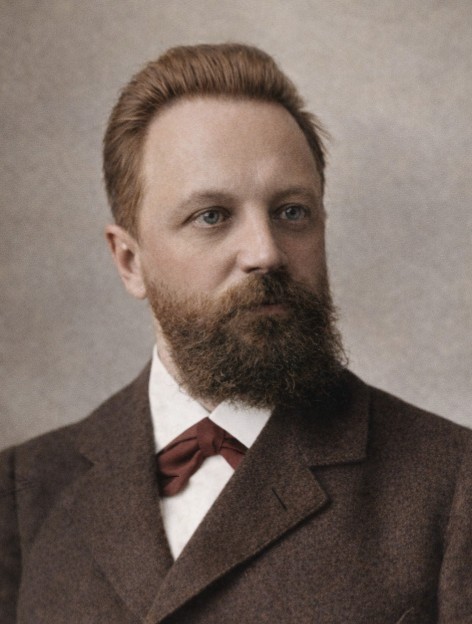
- Born
- Gatchina, Russia, 1850
- Title
- World Championship Challenger (1889, 1892)
- Era
- Romantic
- Peak Elo
- 2580
- Style
- Creative attacks, knight play, dynamic piece activity, romantic flair
Who was Mikhail Chigorin?
Mikhail Chigorin almost single-handedly created chess culture in Russia from nothing — organizing tournaments, founding chess clubs, and editing chess columns when the game was nearly unknown there. He challenged Steinitz for the World Championship twice, coming agonizingly close on both occasions. His chess was fiercely original: he preferred knights over bishops when conventional wisdom said the opposite, and his opening ideas — the Chigorin Defense, the Chigorin Attack in the Queen's Gambit — influenced Russian chess thinking for generations.
How our Mikhail engine plays
Our Mikhail personality is built from a 13-stage analysis pipeline applied to historical game databases. Move selection runs through 12 style-scoring layers trained on Mikhail's characteristic decisions — opening repertoire, strategic plans, causal chains between themes, and the kind of positions Mikhail actually steered toward in real games.
The underlying search engine is a 2630-Elo UCI engine, but its top candidate is not automatically played: the style layer picks the move most consistent with Mikhail's historical tendencies, constrained by safety filters that prevent blundering. The result is a bot that plays like Mikhail, not just a strong engine wearing his name.
About ChessGate
ChessGate lets you play chess online for free against 24 historical chess personalities, each rebuilt from thousands of their real games. The engine doesn't just play strong moves — it plays moves in the style of the actual player, extracted from their game history.