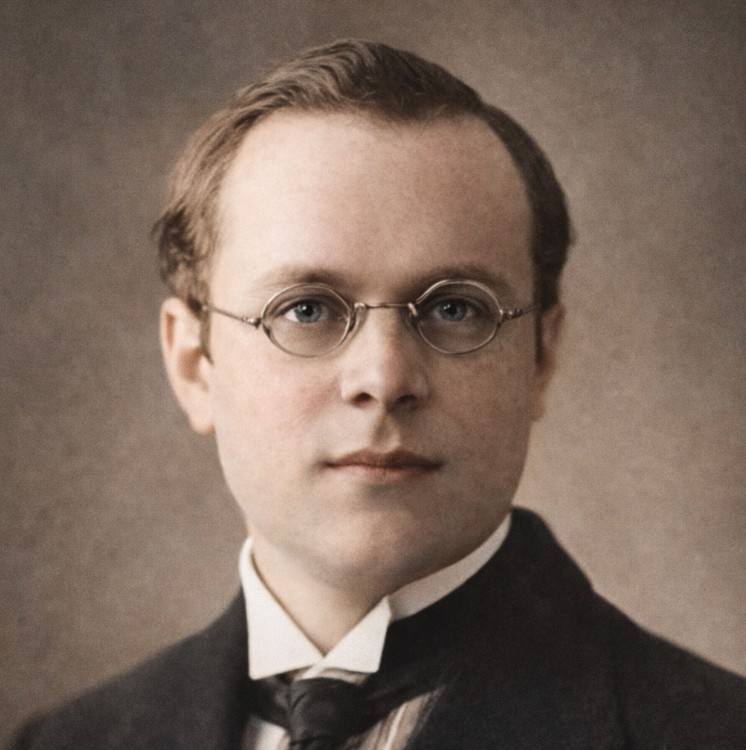
- Born
- Riga, Latvia, 1886
- Title
- World Championship Candidate (1927)
- Era
- Hypermodern
- Peak Elo
- 2660
- Style
- Prophylaxis, blockade, overprotection, hypermodern strategy
Who was Aron Nimzowitsch?
Aron Nimzowitsch was the most influential chess theorist of the 20th century. His book 'My System' (1925) revolutionized chess thinking by formalizing the concept of 'prophylaxis' — preventing the opponent's plans before they materialize — and proving that pawns in the center could be attacked from a distance. His Hypermodern ideas directly gave rise to openings played by millions today: the Nimzo-Indian, the Nimzowitsch Defense, the English Opening. He had an infamously combative personality and a fierce rivalry with Tarrasch, whom he considered the embodiment of rigid dogma.
How our Aron engine plays
Our Aron personality is built from a 13-stage analysis pipeline applied to historical game databases. Move selection runs through 12 style-scoring layers trained on Aron's characteristic decisions — opening repertoire, strategic plans, causal chains between themes, and the kind of positions Aron actually steered toward in real games.
The underlying search engine is a 2630-Elo UCI engine, but its top candidate is not automatically played: the style layer picks the move most consistent with Aron's historical tendencies, constrained by safety filters that prevent blundering. The result is a bot that plays like Aron, not just a strong engine wearing his name.
About ChessGate
ChessGate lets you play chess online for free against 24 historical chess personalities, each rebuilt from thousands of their real games. The engine doesn't just play strong moves — it plays moves in the style of the actual player, extracted from their game history.