Chess Legends
41 historical players, each rebuilt from their own games.
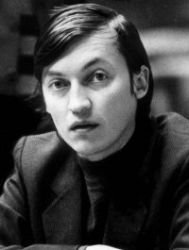
Anatoly Karpov
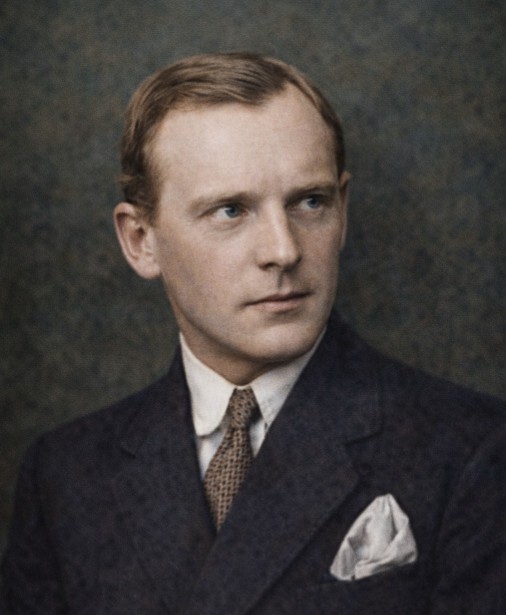
Anatoly Karpov learned chess at age 4 and became a grandmaster at 19. He was awarded the World Championship in 1975 when Bobby Fischer refused to defend his title, then proved his legitimacy by defending it five times — three brutal matches against Kasparov alone. His style was unlike any before him: he did not attack so much as squeeze, gradually restricting the opponent's pieces until they had no good moves left. Garry Kasparov, who fought him across five matches spanning a decade, called him 'the most difficult opponent I ever faced.'
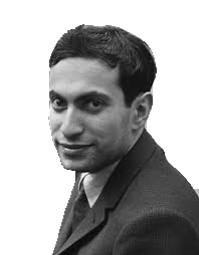
Mikhail Tal
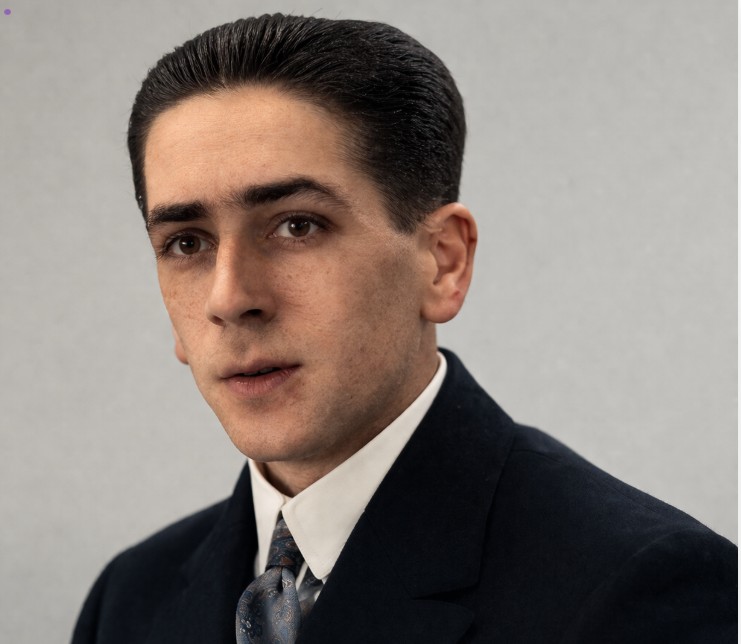
Mikhail Tal became the youngest World Champion in history at 23, defeating the formidable Botvinnik with a series of dazzling sacrificial attacks that seemed to defy logic. He suffered severe kidney problems throughout his life and had organs removed in multiple surgeries, yet remained one of the world's top ten players for over thirty years. Tal himself admitted that some of his sacrifices were objectively unsound — he counted on the psychological pressure being too much for opponents to handle. He once said: 'There are two types of sacrifices: correct ones, and mine.'
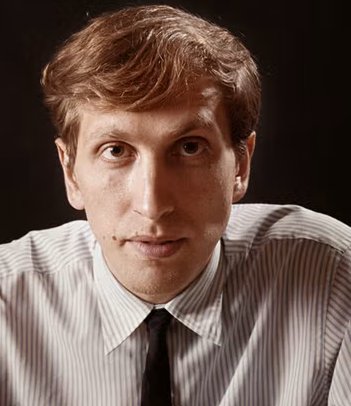
Bobby Fischer
Bobby Fischer learned chess from a booklet at age 6 and became US Champion at 14, the youngest in history. His 1972 World Championship match against Boris Spassky in Reykjavik was watched by millions worldwide and became the defining chess event of the Cold War era. Between 1970 and 1972 his rating performance was statistically the most dominant in chess history — he won two Candidates matches by perfect 6-0 scores. He forfeited his title in 1975 rather than play under conditions he found unacceptable and disappeared from competitive chess, resurfacing only for a 1992 rematch against Spassky.
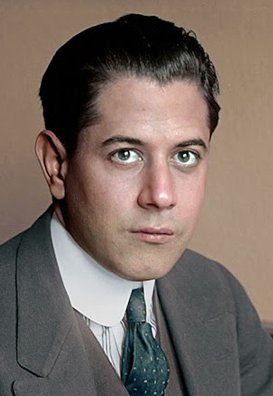
José Raúl Capablanca
José Raúl Capablanca reportedly learned chess at age 4 by watching his father, and immediately corrected an illegal move — his natural talent was evident from the start. He went undefeated for eight consecutive years from 1916 to 1924, a streak that included his World Championship victory over Lasker. His play had an almost supernatural clarity: he saw the simplest path through any position and rarely needed to calculate deeply. He died in 1942 at the Manhattan Chess Club — watching a chess game — from a cerebral hemorrhage.
Paul Morphy
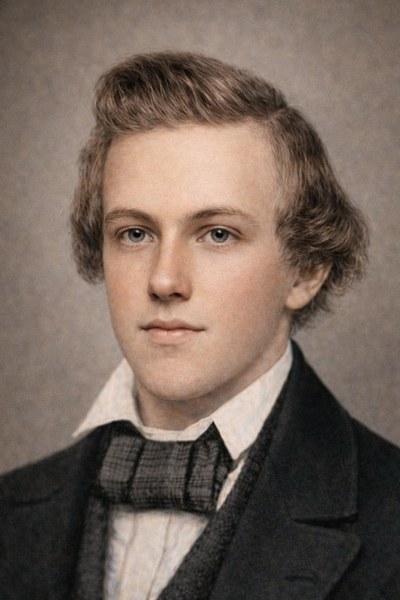
Paul Morphy came from a prominent New Orleans legal family and learned chess almost by accident — watching relatives play as a child. In 1857 he won the first American Chess Congress at 19, then toured Europe the following year and defeated every major player he faced, often giving rook odds to lesser opponents. His games were revolutionary: while others played for immediate attack, Morphy understood rapid development and open lines in a way that was decades ahead of his time. He returned home at 22, retired from chess completely, and spent the rest of his life in increasing isolation and mental decline, dying in 1884 having never played seriously again.
Vasily Smyslov
Vasily Smyslov challenged for the World Championship three times before finally defeating Botvinnik in 1957, only to lose the rematch a year later. His chess had a legendary quality of effortlessness — pieces found their ideal squares without apparent effort, earning him the nickname 'The Hand.' Outside chess he was a gifted baritone who nearly pursued a career at the Bolshoi Theatre. Remarkably, at age 62, he reached the Candidates Final once more in 1983, where he lost to the young Kasparov.
Wilhelm Steinitz
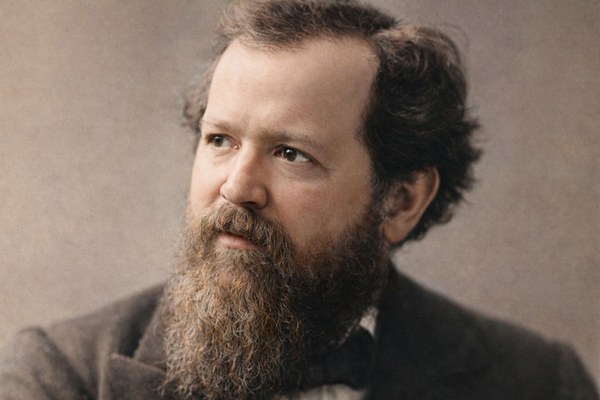
Wilhelm Steinitz is the father of modern chess theory. Before him, chess was essentially a game of immediate attack; Steinitz proved that defense was equally valid and that small positional advantages — a better pawn structure, a strong outpost, the bishop pair — could be accumulated and eventually converted into a win. He won the first official World Championship match against Zukertort in 1886 and held the title until 1894, when Lasker defeated him. His revolutionary ideas were mocked by contemporaries but became the foundation of everything that followed.
Siegbert Tarrasch
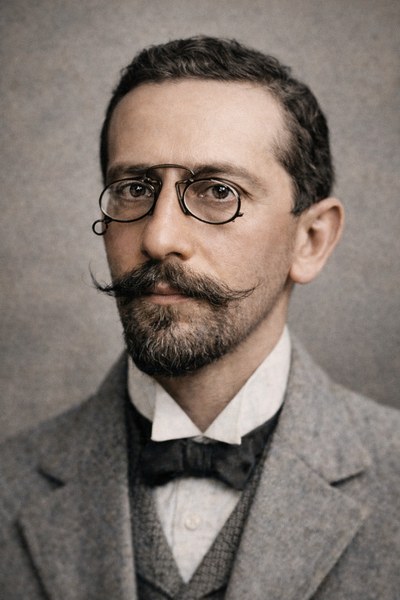
Siegbert Tarrasch was Germany's strongest player for three decades and one of the most influential chess teachers of all time. His books 'The Game of Chess' and 'Three Hundred Chess Games' were standard learning texts for generations of players. He codified Steinitz's ideas into rigid rules — a philosophy that made him a brilliant teacher but also left him vulnerable to players who broke the rules intelligently. His bitter rivalry with Emanuel Lasker, whom he publicly dismissed, ended when Lasker crushed him 8-3 in their 1908 match.
Joseph Blackburne
Joseph Henry Blackburne was England's strongest player for over three decades and one of the most feared attacking players of the Victorian era. He was renowned as a blindfold simultaneous player, regularly playing 10 or more boards at once without sight of the pieces. His nickname 'The Black Death' reflected the devastation he brought to opponents, particularly with the Black pieces. He continued playing at the highest level well into his 60s, a testament to his exceptional chess longevity.
Johannes Zukertort
Johannes Zukertort was one of the most gifted players of the 19th century — a polymath who held a medical degree, spoke multiple languages, and could play blindfold chess at a high level. He brilliantly won the 1883 London tournament ahead of Steinitz, setting up their historic 1886 match for the first official World Championship. Despite leading the match convincingly at the start, he collapsed physically and mentally under the pressure and lost. He died just two years later in 1888, exhausted from illness, at age 45.
Louis-Charles de La Bourdonnais
Louis-Charles Mahé de La Bourdonnais was the strongest player in the world from the mid-1820s until his death and is considered the first player deserving of that title in the modern sense. His legendary 1834 series against Alexander McDonnell in London — 85 games across six matches — is one of the most celebrated events in chess history and produced games of extraordinary richness that are still studied today. He ran a famous chess café in Paris, the Café de la Régence, which was the social center of European chess. He died in London in 1840, impoverished, at age 45.
Alexander McDonnell
Alexander McDonnell was the strongest chess player in England and Ireland in the early 1830s, trading wins with the best players of his era. His fame rests almost entirely on the extraordinary 1834 match series against La Bourdonnais in London — six matches totalling 85 games, played over many months in the Westminster Chess Club. Despite losing the overall series, many of his games showed tremendous creativity and fighting spirit. He died just one year after the match in 1835, likely from diabetes, at only 37 years old.
Daniel Naroditsky
Daniel Naroditsky achieved the grandmaster title at 17 and became one of the most beloved chess educators of his generation through his 'speedrun' series on Chess.com, where he climbed from 500 to 3000 rating from scratch while explaining every decision — making grandmaster thinking accessible to players at every level. His ability to communicate complex ideas simply inspired a generation of chess learners worldwide. He was also a formidable competitive player, representing the US in team competitions. He passed away in 2025 and is remembered as one of chess's great teachers.
Aron Nimzowitsch
Aron Nimzowitsch was the most influential chess theorist of the 20th century. His book 'My System' (1925) revolutionized chess thinking by formalizing the concept of 'prophylaxis' — preventing the opponent's plans before they materialize — and proving that pawns in the center could be attacked from a distance. His Hypermodern ideas directly gave rise to openings played by millions today: the Nimzo-Indian, the Nimzowitsch Defense, the English Opening. He had an infamously combative personality and a fierce rivalry with Tarrasch, whom he considered the embodiment of rigid dogma.
Adolf Anderssen
Adolf Anderssen was a mathematics teacher who became the undisputed king of chess in the 1850s. He won the first international chess tournament in London in 1851 and is best remembered for two games: the 'Immortal Game' (1851), in which he sacrificed both rooks and his queen to deliver checkmate, and the 'Evergreen Game' (1852), another brilliant queen sacrifice. He was defeated by the young Morphy in 1858 but remained among the world's best players for another decade. His games represent the pinnacle of Romantic chess — daring, brilliant, and beautiful.
Richard Réti
Richard Réti was a co-founder of the Hypermodern school alongside Nimzowitsch, most famous for the Réti Opening (1.Nf3) and his astonishing endgame study demonstrating how a king can simultaneously chase two passed pawns — a paradox that took the chess world by storm. He set a world blindfold simultaneous record in 1925, playing 29 boards. His book 'Masters of the Chessboard' (1930) is a classic of chess literature, blending biography, history, and instruction. He died suddenly in 1929 at age 40 from scarlet fever.
Mikhail Botvinnik
Mikhail Botvinnik dominated Soviet and world chess for four decades, winning the World Championship three times and defending it three more times using a rematch clause that opponents found maddening. An electrical engineer by profession, he brought a scientific rigor to chess preparation that was completely new — systematic analysis, physical fitness, and deep opening research. He is arguably the most influential figure in chess history not for his own play, but for what he created: his students included Karpov, Kasparov, and Kramnik — three of the greatest champions of all time.
Akiba Rubinstein
Akiba Rubinstein is widely considered the greatest player never to become World Champion. In 1912 he had the best tournament results in the world and was universally expected to challenge Lasker, but the match was never organized. His technique in rook endgames was so precise that his games are still used as model lessons — the 'Rubinstein ending' remains a staple of chess instruction. He suffered from increasing mental illness in the 1920s and 30s, developing severe social anxiety that eventually forced his retirement from competitive chess.
Mikhail Chigorin
Mikhail Chigorin almost single-handedly created chess culture in Russia from nothing — organizing tournaments, founding chess clubs, and editing chess columns when the game was nearly unknown there. He challenged Steinitz for the World Championship twice, coming agonizingly close on both occasions. His chess was fiercely original: he preferred knights over bishops when conventional wisdom said the opposite, and his opening ideas — the Chigorin Defense, the Chigorin Attack in the Queen's Gambit — influenced Russian chess thinking for generations.
Jan Timman
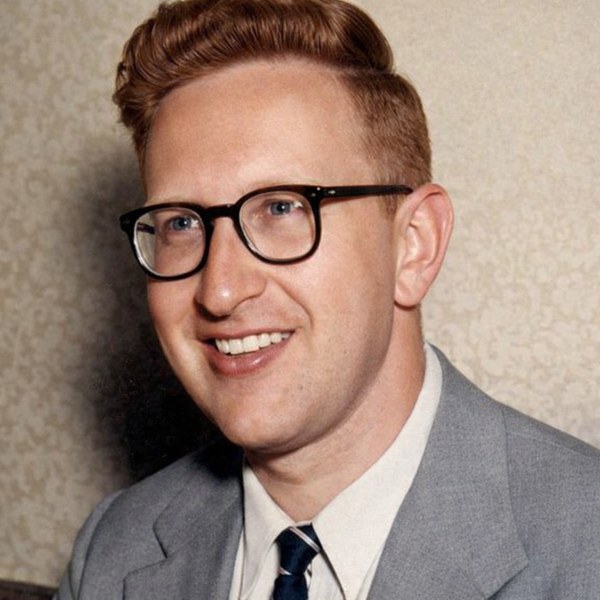
Jan Timman was the best Western player during the era of Soviet chess dominance, a period when the world's top ten were almost exclusively from the USSR. He reached the Candidates Final in 1983 and was runner-up for the FIDE title in 1993. A prolific chess author, his books on endgames and attacking play are considered classics. His sharp, creative style — always willing to complicate and take risks — made his games some of the most entertaining of his generation. He passed away in 2025 and is remembered as one of the great ambassadors of Western chess.
Emanuel Lasker
Emanuel Lasker held the World Championship for 27 consecutive years — the longest reign in history. A philosopher, mathematician, and bridge theorist outside chess, he brought a unique psychological dimension to the game: he would deliberately play inferior moves to unsettle specific opponents, choosing 'bad' positions he understood better than they did. His 1924 New York tournament performance at age 56 — finishing first ahead of Capablanca, Alekhine, and Marshall — is still considered one of the most extraordinary results in chess history.
Max Euwe
Max Euwe was a mathematics professor who became World Champion as an amateur — one of the most remarkable upsets in chess history — defeating the great Alekhine in 1935 through meticulous preparation and deep theoretical work. He lost the rematch in 1937 but remained a world-class player for decades. Later he became President of FIDE (1970–1978) and played a crucial diplomatic role in organizing the 1972 Fischer-Spassky World Championship match in Reykjavik.
David Bronstein
David Bronstein drew the 1951 World Championship match against Botvinnik 12-12, needing only a draw in the final game — which he held for most of the game before making a tragic mistake in a won position. He never played for the title again. Many considered him the most creative chess player of the 20th century: where others sought the best move, Bronstein sought the most interesting move. His book 'Zurich International Chess Tournament 1953' is universally considered one of the greatest chess books ever written.
Efim Bogoljubow
Efim Bogoljubow twice challenged Alekhine for the World Championship, losing both times — yet he remained one of the world's strongest players for two decades. Captured by Germany during World War I, he settled there and became a naturalized citizen, which led to political complications and estrangement from the Soviet chess world. His infectious optimism at the board was legendary — he attacked boldly, played for the initiative, and rarely backed down. Famous for his quote: 'When I am White I win because I am White; when I am Black I win because I am Bogoljubow.'
Vera Menchik
Vera Menchik was the first Women's World Chess Champion, winning the inaugural Women's World Championship in 1927 and defending it seven times until her death. Born in Moscow to a Czech father and English mother, she moved to England and became one of the strongest players in the world — not just among women, but overall. She competed regularly in major international tournaments against the male elite, defeating future World Champions Euwe, Reshevsky, and Sultan Khan. She was killed in a V-1 rocket attack on London in June 1944, along with her sister and mother.
Sonja Graf
Sonja Graf was one of the strongest female players of the 1930s and 40s, challenging Vera Menchik twice for the Women's World Championship. Sharp and aggressive, she played chess with a combative intensity that set her apart — opponents had no time to breathe. After World War II she emigrated to Argentina and later to the United States, where she continued playing and teaching. Her autobiography 'Schach — mein Schicksal' (Chess — My Destiny) remains one of the most vivid accounts of chess life in the pre-war era.
Marion Heintze
Marion Heintze was the strongest female chess player in East Germany during the 1980s, winning the DDR Women's Championship three times. A product of the DDR's highly systematic, Soviet-influenced chess training program, her play was disciplined, positional, and technically precise — hallmarks of the Eastern Bloc chess school that produced so many world-class players during the Cold War era. Her games offer a rare window into the chess culture that flourished behind the Iron Curtain.
Rashid Nezhmetdinov
Rashid Nezhmetdinov was the most feared attacking player in Soviet chess — a man who never became a Grandmaster yet defeated multiple World Champions with combinations so brilliant they left audiences gasping. Tal himself called Nezhmetdinov the most dangerous opponent he ever faced, and when the Magician from Riga says you're scary, you're terrifying. His 1962 game against Polugaevsky is considered one of the greatest attacking games ever played — a queen sacrifice followed by a relentless king hunt that defied computer analysis for decades. He was also a strong draughts player, winning the Russian championship five times.
Rudolf Spielmann
Rudolf Spielmann was the last great Romantic — a player who believed in the beauty of sacrifice when the chess world was moving toward cold positional play. His book 'The Art of Sacrifice in Chess' (1935) remains a classic, a love letter to the combinative spirit that defined the era of Anderssen and Morphy. He won numerous strong tournaments in the 1920s and 30s and was among the world's top ten for much of that period. His king hunts were legendary: once the attack began, there was no escape. He fled Austria after the Nazi annexation and died in poverty in Stockholm in 1942.
Leonid Stein
Leonid Stein won the Soviet Championship three times in four years — a feat made extraordinary by the fact that the Soviet Championship was arguably the strongest national tournament in history. He combined Tal's tactical brilliance with Petrosian's positional sense, a rare and lethal mix that made him dangerous in any type of position. Fischer considered him one of the most dangerous opponents in the world, and Spassky called him 'a genius who could have been World Champion.' He died suddenly of a heart attack in 1973 at just 38, on the eve of departing for a tournament. Chess lost one of its brightest stars far too soon.
Lev Polugaevsky
Lev Polugaevsky was the deepest analyst of his generation — a player who could calculate 20 moves deep at the board and frequently did. His theoretical contributions to the Sicilian Najdorf, particularly the 'Polugaevsky Variation' (7...b5), produced some of the most theoretically important and deeply analyzed games in chess history. He reached the Candidates matches twice and was a regular member of Soviet Olympiad teams. His book 'Grandmaster Preparation' revealed the extraordinary depth of preparation that top Soviet players brought to their games.
Paul Keres
Paul Keres is the greatest player never to become World Champion — and it wasn't for lack of talent. He finished second in the Candidates tournament four times, earning the tragic nickname 'The Crown Prince' or 'The Eternal Second.' His universal style — equally dangerous in sharp tactical positions and quiet positional games — made him feared by every World Champion from Alekhine to Fischer. Some historians believe his results in the 1948 World Championship tournament and the 1953 Candidates were influenced by Soviet political pressure to favor other Soviet players, though this remains debated. He was beloved in Estonia as a national hero.
Boris Spassky
Boris Spassky was the most universally gifted player of his generation — equally brilliant in attack and defense, equally comfortable in tactical firefights and quiet positional maneuvering. He became the youngest Soviet Master at 18 and won the World Championship by defeating Tigran Petrosian in 1969. His reign ended in the legendary 1972 match against Bobby Fischer in Reykjavik, the most famous chess event in history. Unlike many Soviet champions, Spassky was relaxed and sporting — he applauded Fischer's brilliant Game 6, earning worldwide respect. He later moved to France and became a French citizen.
Alexander Alekhine
Alexander Alekhine was a chess volcano — capable of erupting at any moment with combinations of terrifying depth and ferocity. He dethroned the 'invincible' Capablanca in 1927 in Buenos Aires, then lost the title to Max Euwe in 1935 before winning it back in the 1937 rematch. He is the only World Champion to die while holding the title. His games are filled with complex, energetic play — he rarely simplified, preferring to keep the tension and outplay opponents in complications. His best games are considered among the most brilliant ever played. His turbulent personal life, including collaboration controversies during World War II, remains debated.
Tigran Petrosian
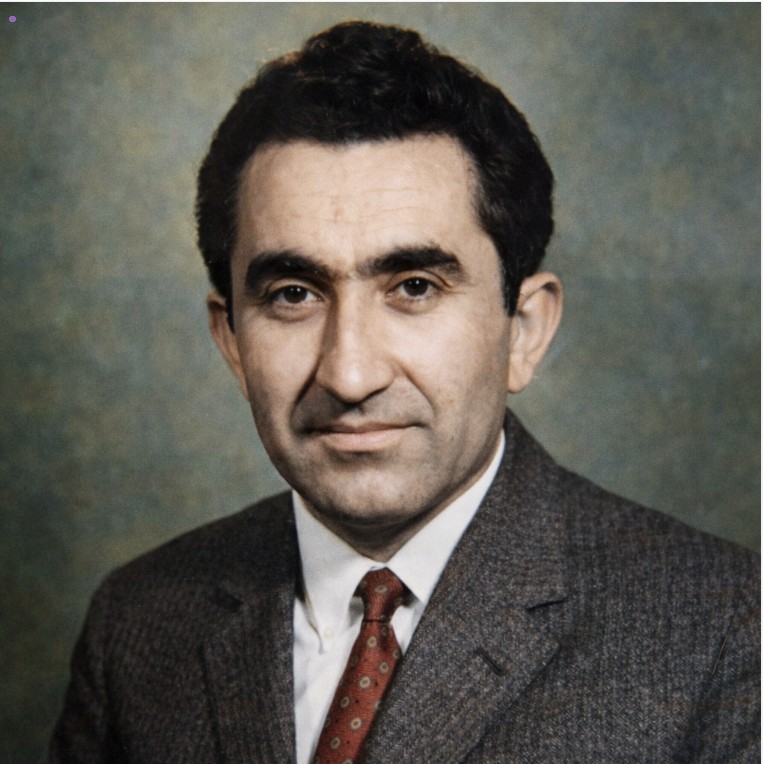
Tigran Petrosian was the greatest defensive player in chess history — and possibly the hardest man on earth to beat. Growing up as an orphan in wartime Tbilisi, he developed an instinct for danger that translated into an uncanny ability to sense threats before they materialized. His style was prophylactic: he would prevent the opponent's plans rather than pursue his own. His exchange sacrifices — giving up a rook for a minor piece to destroy pawn structure or eliminate a dangerous bishop — became his trademark. He won the World Championship in 1963 by defeating Botvinnik and held it for six years. Critics called his style boring; admirers recognized its profound depth.
Edgard Colle
Edgard Colle was a Belgian master whose name lives on through the Colle System — a solid, systematic opening setup with d4, Nf3, e3, Bd3, 0-0, and Nbd2 that club players worldwide still use today. Despite chronic health problems that plagued him throughout his career, Colle achieved remarkable results in the late 1920s, defeating several of the world's best players. His style was methodical: build a solid position, then launch a kingside attack when the time was right. He died tragically in 1932 at just 34 years old, cutting short a career that many believed would have taken him to the very top of world chess.
Robert Hübner
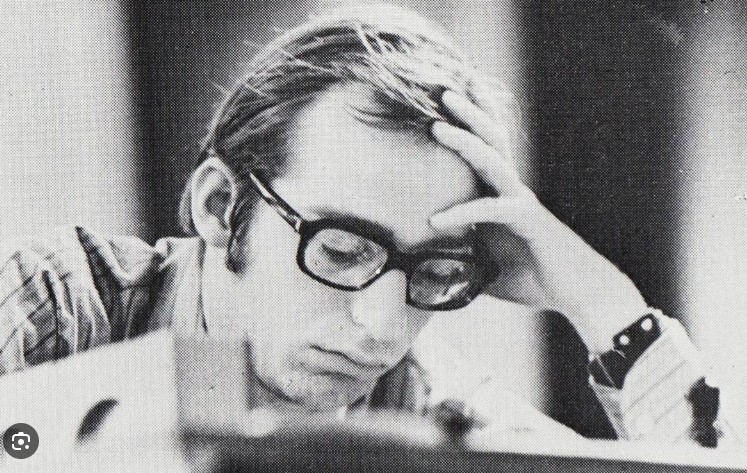
Robert Hübner is one of the most unusual figures in chess history — a world-class grandmaster who was equally distinguished as an academic papyrologist, specializing in ancient Greek and Egyptian texts. He was one of the strongest Western players during the Soviet chess monopoly, reaching the Candidates matches multiple times. His chess was characterized by deep positional understanding, meticulous preparation, and a scholarly approach to analysis. He was known for his perfectionism, sometimes withdrawing from tournaments when he felt the conditions weren't conducive to serious chess. His games, while not flashy, reveal a depth of understanding that few players have matched.
Viktor Korchnoi
Viktor Korchnoi was the fiercest competitor in chess history. He defected from the Soviet Union in 1976 and fought Anatoly Karpov in two World Championship matches that were as much Cold War drama as chess — the KGB surveilled his team, a parapsychologist was deployed against him, and his family was held hostage in the USSR. He lost both matches narrowly but never stopped fighting. He remained in the world top 20 into his 60s and played competitive chess until 2012, aged 81. His tenacity was legendary: Korchnoi would defend lost positions for 80 moves just to make his opponent prove they could win. His style combined deep defensive skill with explosive counterattacking ability.
Ljubomir Ljubojević
Ljubomir Ljubojević was the most exciting player of his generation — a romantic attacker in an era of computer-influenced precision. At his peak in the early 1980s he was ranked third in the world, behind only Karpov and Kasparov. His games were filled with spectacular sacrifices, imaginative combinations, and fearless attacking play. He won numerous elite tournaments including Linares, Milan, and Buenos Aires. Unlike many of his contemporaries who adopted cautious, draw-oriented strategies, Ljubojević always played for a win with both colors. His approach made him a crowd favorite but also led to inconsistent results — brilliance one day, catastrophe the next.
Svetozar Gligorić
Svetozar Gligorić was the founding father of Yugoslav chess and one of the strongest non-Soviet players of the post-war era. He became Yugoslavia's first grandmaster in 1951 and won the national championship an astonishing 12 times between 1947 and 1982. His contributions to opening theory, particularly in the King's Indian Defense, were immense — several major variations bear his name. He competed in seven Candidates tournaments and drew matches against Tal, Keres, and Fischer. Beyond chess he was a war hero (fighting as a partisan in World War II), a music critic, and a bridge champion. He remained active in chess organization until his death at 89.
Vlastimil Hort
Vlastimil Hort was Czechoslovakia's strongest player for over two decades and one of the most respected grandmasters of the 1970s. He reached the Candidates matches in 1977, narrowly losing to Spassky. His universal style made him dangerous in any type of position — he could attack like Tal or grind like Karpov, adapting to whatever the position required. Known as a gentleman both on and off the board, Hort was beloved in the chess community for his sportsmanship and humor. He emigrated to Germany in the 1980s and continued playing at a high level well into the 2000s. His chess was characterized by solid technique, deep positional understanding, and a classical approach to the game.